Approximately 600 MB less runtime memory
Reduced client memory usage, addressing iOS Jetsam instability and improving long-session reliability.
Blizzard Entertainment · Aug 2021–Oct 2026
Gameplay implementation, client architecture, character design, and the ongoing work of keeping a live game reliable. My responsibilities grew from individual features into broad Unity client ownership.
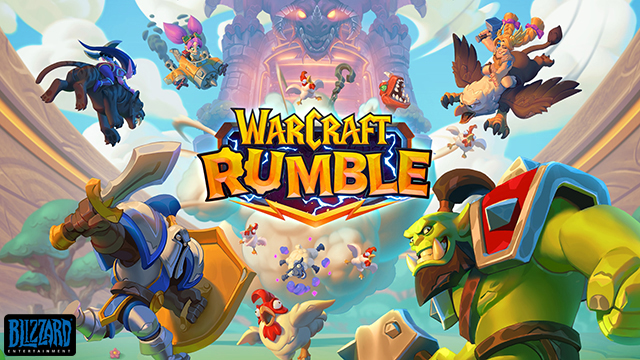
I worked on Warcraft Rumble from August 2021 to October 2026. My contributions covered gameplay and combat simulation, UI, developer tools, platform integrations, performance, engine upgrades, and production support.
In the later phase of that work, I became the sole Unity engineer responsible for the live client. That expanded the day-to-day scope: implementing features, investigating production issues, maintaining integrations, supporting releases, and keeping the client buildable across its supported platforms.
My architectural work focused on evolving client systems within the existing game and codebase. The sections below describe my contributions and responsibilities within that scope.
A gameplay change connects to more than its immediate combat behavior. My work crossed Minis, Talents, Abilities, simulation mechanics, UI, and the tools used to author and support content. That required following changes through their client dependencies and testing the interactions they introduced.
Other client systems had different constraints: startup sequencing, authentication and recovery, platform SDKs, asset delivery, and builds. I worked across those boundaries as part of maintaining the client, including migrating startup systems to async/await and leading Unity engine upgrades through plugin compatibility and release infrastructure.
The architectural contribution was also in the workflows around the code: reusable tools, clearer integration boundaries, and ways to repeat validation without rebuilding the same manual process for each feature or event.
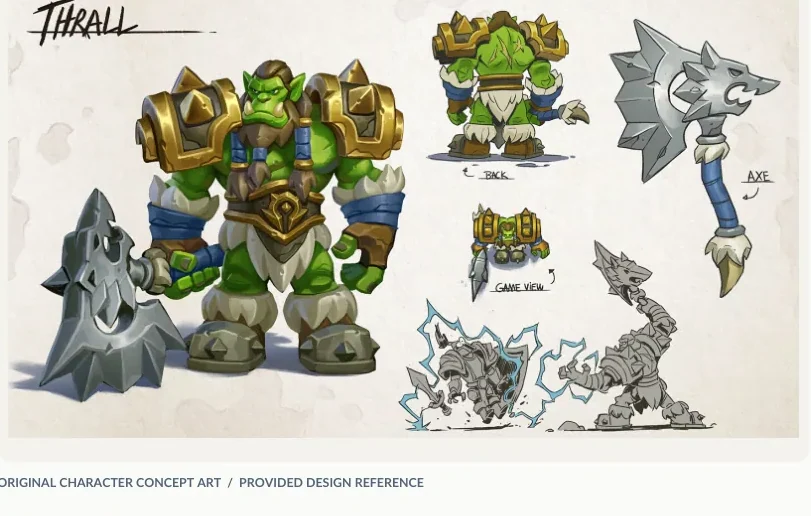
Thrall is an example of work where I contributed to both the gameplay design and its implementation. I originated gameplay ideas, designed abilities, passives, and talents, implemented behavior and combat interactions, and iterated with a Rumble designer through release readiness.
The design work explored a frontline melee identity with Chain Lightning reach, totem-based support, and Feral Spirit reinforcements at a low-health threshold. Those mechanics describe the design explored in this work; this overview is not a specification of final tuning or every shipped behavior.
Turning that identity into a working character meant connecting abilities and conditional behavior to the existing combat systems, then checking how the pieces interacted. I also contributed Druid of the Claw and other Mini, Talent, Ability, simulation, and event work.
I built a reusable 1v1 combat-testing and balancing tool that ran Mini matchups and aggregated their outcomes. It gave design and engineering a consistent way to compare interactions, investigate outliers, and revisit behavior after a change.
The harness supported iteration on characters such as Thrall while remaining reusable across the roster. A controlled matchup provides one kind of evidence: positioning, team composition, and player feel still needed contextual playtesting.
Reduced client memory usage, addressing iOS Jetsam instability and improving long-session reliability.
Migrated startup systems to async/await, improving client initialization and login startup.
These figures describe the results of that project work. They sit alongside the ongoing responsibility of investigating stability issues and supporting production releases.
During the later maintenance phase of my work, I owned the Unity client across gameplay, simulation, UI, performance, stability, SDK integrations, engine upgrades, client builds, and internal tools. Maintaining a live client included supporting releases and hotfixes while keeping platform integrations and development workflows usable.
Here, maintenance describes my engineering responsibilities in that period. It does not establish that support for Warcraft Rumble ended when I moved to Hearthstone in October 2026.
The work connected design intent, implementation, validation, and ongoing support. Thrall brought those concerns together at the character level; client architecture, performance, tooling, and maintenance extended them across the product.
Full experience and contributions · Back to the project overview
Interested in gameplay systems, client architecture, or live-product engineering?